No products in the cart.


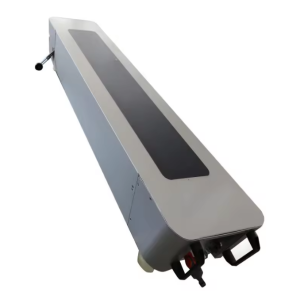
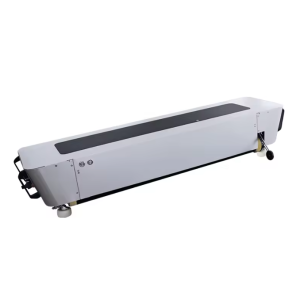


Solar Photovoltaic Panel Cleaning Robot


Robot Design:
Type: Autonomous or semi-autonomous robotic system.
Size: Compact and designed to navigate between solar panels efficiently.
Material: Constructed from durable and weather-resistant materials suitable for outdoor use.
Cleaning Mechanism:
Cleaning Method: Utilizes soft brushes, microfiber pads, squeegees, or similar cleaning tools.
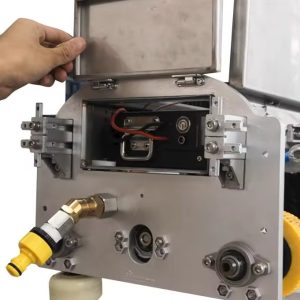
Water Usage: Includes a water supply system with jets or sprayers for effective cleaning.
Dry Cleaning Option: Some models may offer dry cleaning options using air blowers or brushes to remove dry dust and debris.
Navigation and Control:
Navigation System: Equipped with advanced sensors (e.g., proximity sensors, optical sensors) and navigation algorithms for precise maneuverability.
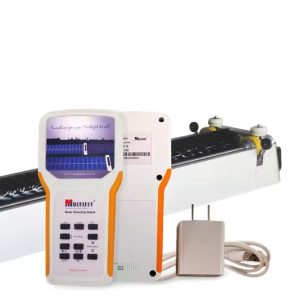
Control: Operates autonomously based on predefined routes, schedules, or can be manually controlled.
Obstacle Avoidance: Includes features to detect and navigate around obstacles such as panel frames or mounting structures.
Power Source:
Power Supply: Typically powered by rechargeable batteries.
Solar Compatibility: Some models may have the option for solar-powered charging to enhance sustainability and reduce operational costs.
Performance:
Efficiency: Designed to clean efficiently without causing damage to the solar panels.
Coverage: Capable of cleaning large areas of solar panels within a specified timeframe.
Speed: Operates at a suitable speed to ensure thorough cleaning while maintaining energy efficiency.
Safety Features:
Anti-Collision Sensors: Prevents collisions with obstacles and structures around the solar panels.
Environmental Sensors: Monitors environmental conditions to optimize cleaning performance and ensure safe operation.
Data and Monitoring:
Performance Monitoring: Provides data on cleaning effectiveness and operational metrics.
Remote Monitoring: Allows operators to monitor cleaning progress and receive status updates remotely.
Maintenance:
Ease of Maintenance: Designed for minimal maintenance with easy access to components.
Service and Support: Typically supported by manufacturers or service providers offering maintenance and technical support.
Applications:
Commercial Use: Ideal for large-scale solar installations such as solar farms or industrial rooftops.
Residential Use: Potential application for residential solar arrays, providing efficient cleaning solutions for homeowners.
Environmental Impact:
Efficient Water Usage: Minimizes water consumption through optimized cleaning techniques.
Sustainable Operations: Supports sustainability goals by reducing manual labor and maintaining panel efficiency.
The Solar Photovoltaic Panel Cleaning Robot is a specialized robotic device designed specifically for cleaning solar panels, ensuring optimal performance and efficiency. Here’s a detailed description of its features and functionality:
Purpose:
Solar Panel Cleaning: Dedicated to cleaning photovoltaic (PV) solar panels installed in solar farms, rooftops, or commercial installations.
Maintenance: Ensures panels are free from dust, dirt, debris, and other contaminants that can reduce solar energy output.
Design and Build:
Robotic Design: Autonomous or semi-autonomous robot capable of navigating solar panel arrays independently.
Compact and Durable: Built to withstand outdoor conditions and harsh environments typically found in solar farms and rooftop installations.
Weather Resistance: Designed to operate in various weather conditions including rain, dust storms, and extreme temperatures.
Cleaning Mechanism:
Cleaning Techniques: Utilizes soft brushes, microfiber cloths, squeegees, or other gentle cleaning materials to avoid damaging solar panels.
Water Usage: May incorporate water jets or sprayers for effective cleaning without excess water consumption.
Dry Cleaning Options: Some models may offer dry cleaning methods using air blowers or brushes to remove dry dust and debris.
Navigation and Control:
Navigation System: Uses advanced sensors (e.g., proximity sensors, optical sensors) and navigation algorithms to navigate between solar panels and avoid obstacles.
Control Options: Operates autonomously based on pre-programmed routes or user-defined schedules. Some models may offer remote control capabilities.
Power Source:
Energy Efficiency: Often powered by rechargeable batteries or connected to a solar charging station to maintain sustainability and reduce operational costs.
Continuous Operation: Designed for extended cleaning sessions without frequent recharging, ensuring uninterrupted panel maintenance.
Safety Features:
Safety Protocols: Incorporates safety features such as anti-collision sensors to prevent damage to panels and the robot itself.
Environmental Impact: Minimizes environmental impact through efficient water usage and eco-friendly cleaning practices.
Data and Monitoring:
Performance Monitoring: Some models may offer data collection capabilities to monitor cleaning effectiveness and panel performance metrics.
Remote Monitoring: Allows operators to monitor cleaning progress and receive real-time alerts or notifications through a centralized control system.
Maintenance and Service:
Easy Maintenance: Designed for minimal maintenance requirements, with easily replaceable components and straightforward servicing procedures.
Service Support: Typically supported by manufacturers or service providers offering maintenance and technical support.
Applications:
Commercial Use: Ideal for large-scale solar installations such as solar farms or industrial rooftops, where regular panel maintenance is essential for maximum energy production.
Residential Use: Potentially applicable for residential solar arrays, providing efficient cleaning solutions for homeowners investing in solar energy.
Benefits:
Enhanced Efficiency: Improves solar panel efficiency by maintaining cleanliness and reducing shading caused by dust and debris.
Cost Savings: Reduces the need for manual cleaning labor and potential damage to panels, extending their lifespan and maximizing ROI on solar investments.
Overall, the Solar Photovoltaic Panel Cleaning Robot represents a technological advancement in solar panel maintenance, offering automated and efficient cleaning solutions to optimize energy output and ensure long-term performance of solar PV systems.
Be the first to review “Solar Photovoltaic Panel Cleaning Robot”
You must be logged in to post a review.









Reviews
There are no reviews yet.